Can Pool Water Damage Equipment? A Guide for Northern VA Homeowners
By Jason DeBosky | The Pool Sharks of Northern Virginia
Your pool equipment works with water every day, but that does not make every component waterproof. Water belongs inside the plumbing, pump housing, filter, and heater’s water passages. When it escapes those areas—or its chemistry becomes unbalanced—it can contribute to corrosion, equipment failure, and costly repairs.
For homeowners across Northern VA, protecting pool equipment requires attention to water chemistry, drainage, leaks, and seasonal conditions. A small drip or recurring puddle may seem harmless, but addressing it early can help prevent a much larger problem.
How Pool Water Damages Equipment
Pool water can damage equipment through external moisture exposure and internal chemical imbalance.
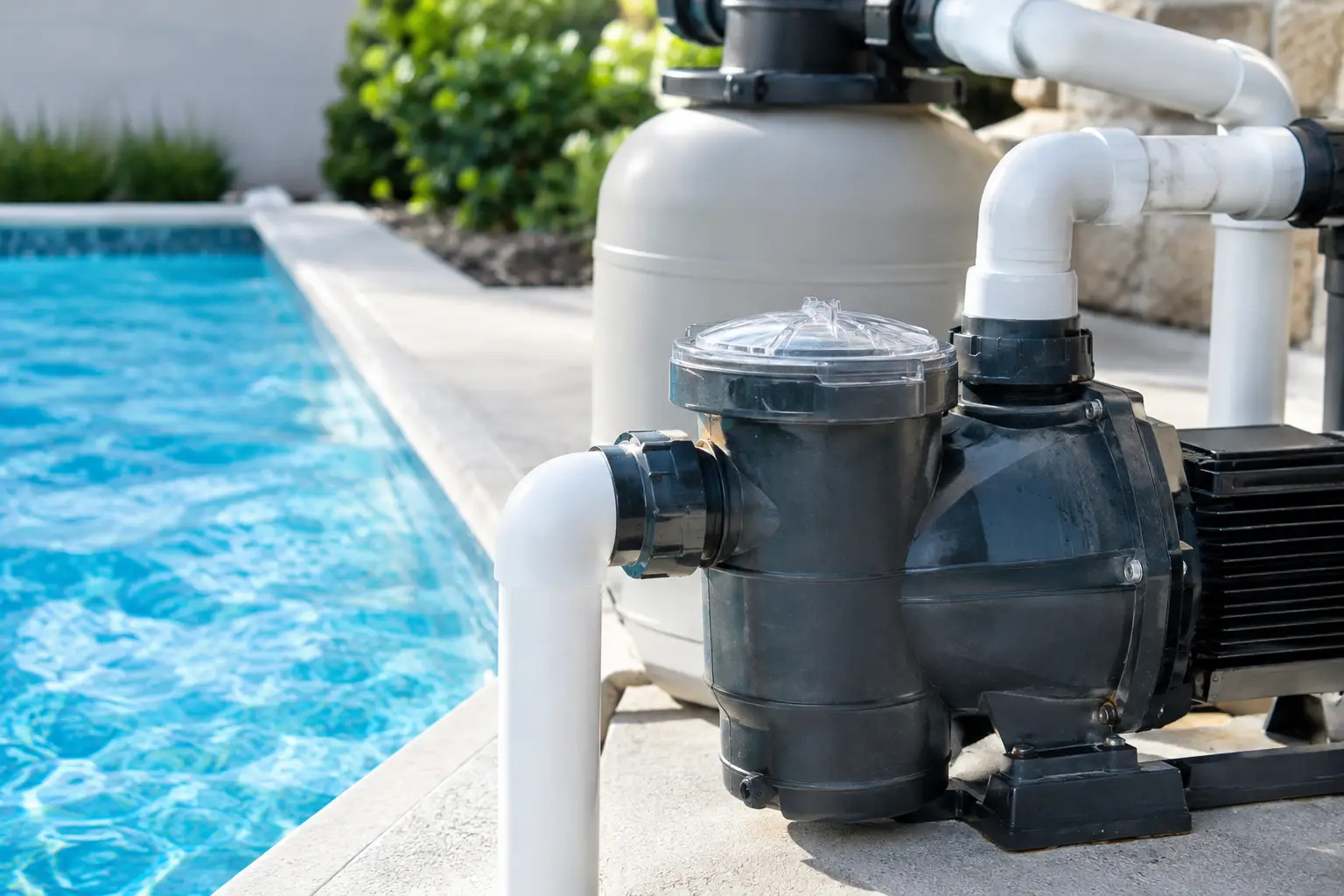
External damage often starts with a leaking pump seal, plumbing union, valve, or heater connection. Continuous moisture can corrode exposed hardware and damage nearby components. A leak that sprays toward a motor or electrical enclosure deserves immediate attention.
Standing water creates another concern. Heavy rain, poor grading, blocked drainage, or a broken pipe can flood an equipment pad. Outdoor pool equipment is designed for specified weather exposure, but electrical components generally are not designed for submersion.
Inside the system, improper water balance can damage surfaces that remain in contact with circulating water. Corrosive conditions can attack metal components, while scale-forming conditions can leave mineral deposits that interfere with operation.
Can Damage Occur Without a Visible Leak?
Yes. A dry equipment pad does not necessarily mean the system is protected.
A heater can develop internal corrosion or scale before any exterior leak appears. Water balance involves several factors, including pH, alkalinity, calcium hardness, and temperature. These factors work together, so a single test result does not tell the whole story.
Mineral buildup can reduce heat transfer and restrict water movement. Corrosion can deteriorate internal metal surfaces and eventually cause leaks. Homeowners may notice slower heating, unexpected shutdowns, or recurring error messages.
Saltwater pools need the same consistent care. Salt chlorination produces chlorine, but homeowners still need to monitor sanitizer levels, pH, salt concentration, and overall water balance. Repeated saltwater leakage onto exposed metal can also contribute to corrosion.
Chemical fumes present another risk. Improperly stored chlorine products or acid can damage nearby equipment even without a spill.
Pool Equipment Most Vulnerable to Water Damage
Pumps and Motors
The pump’s wet end is designed to contain water. Its motor and electrical connections require protection from water intrusion.
A deteriorating shaft seal can allow water to leak between the pump housing and motor. Persistent dripping, unusual noise, overheating, or repeated electrical trips should be evaluated.
A pump that loses prime or runs without adequate water can also suffer damage. Low pool water, blocked baskets, suction leaks, and other flow problems may contribute.
Pool Heaters
Heaters depend on balanced water, adequate circulation, proper installation, and clear ventilation.
Internal scale and corrosion can affect performance and shorten equipment life. External flooding can damage controls and other components. Flood-exposed heaters require professional evaluation before anyone attempts to operate them.
Keep vegetation, stored materials, and debris outside the manufacturer’s required clearances.
Automation and Electrical Components
Automation panels, timers, salt-system controls, and lighting transformers contain sensitive electrical parts.
Their enclosures provide a specific level of environmental protection. Damaged covers, deteriorated seals, direct spray, and flooding can allow moisture inside. Corrosion may develop gradually, causing problems after the initial exposure.
Filters, Valves, and Connections
Filters and plumbing tolerate normal wet operation, but their connections still need inspection.
Leaks around valves, gauges, unions, and filter assemblies can indicate worn seals, damaged components, or installation problems. Never adjust a filter clamp or open equipment while the system is pressurized.
Warning Signs You Should Not Ignore
Arrange service when you notice:
- Persistent moisture or puddles around the equipment pad.
- Dripping from the pump, heater, valves, or plumbing connections.
- Rust, mineral deposits, or unusual staining.
- Reduced circulation or bubbles returning to the pool.
- Grinding, screeching, or unfamiliar humming.
- Repeated heater shutdowns or error messages.
- Unexplained water loss.
- Breakers or GFCI protection that trip repeatedly.
These symptoms can have several causes. A professional inspection helps identify the source before parts are replaced unnecessarily.
Do not keep resetting electrical protection that repeatedly trips. If flooding or electrical damage is suspected, stay clear of the affected area and have qualified professionals assess it. Do not enter standing water to reach equipment or a disconnect.
Protecting Equipment in Northern Virginia
Northern Virginia’s thunderstorms, falling leaves, and freezing weather make seasonal planning an essential part of pool ownership.
Keep Water Moving Away From the Pad
Check where rainwater, irrigation, and roof runoff travel. Water should drain away from equipment instead of collecting beneath motors and controls.
Leaves, soil, and mulch can obstruct drainage routes. Recurring puddles deserve an evaluation of grading, drainage, and equipment placement.
Maintain Consistent Water Chemistry
Clear water can still be chemically aggressive or prone to scale formation. Regular testing helps identify changes before equipment performance suffers.
Follow the operating requirements for your specific equipment. Avoid adding concentrated chemicals through the skimmer unless the product label and equipment manufacturer expressly permit it.
Address Leaks Early
A small leak can keep surrounding components wet for weeks. Prompt repairs help limit moisture exposure and unnecessary water loss.
If you notice persistent dampness, photograph the area from a safe location and arrange an inspection. Avoid opening electrical enclosures or attempting repairs while equipment is operating.
Store Chemicals Properly
Keep pool chemicals in their original labeled containers and follow their storage instructions. Separate incompatible products and protect containers from moisture.
Do not store chemicals against pumps, heaters, or control panels. Corrosive fumes can damage nearby surfaces and electrical components.
Prepare for Freezing Conditions
Pools that close for winter require proper winterization of plumbing and equipment.
Pools and spas that remain open need a cold-weather operating plan. Automated freeze protection depends on working equipment and electrical power; it cannot eliminate every risk during a power outage or equipment failure.
A Concierge Approach to Equipment Protection
Professional pool care should extend beyond skimming leaves and checking chlorine. Equipment condition, circulation, water balance, and visible leaks all affect how reliably a pool operates.
The Pool Sharks of Northern Virginia provides pool maintenance, equipment repairs, inspections, and seasonal services throughout Loudoun, Fairfax, Fauquier, and Prince William counties.
Our approach combines careful observation with practical recommendations, helping homeowners address developing problems and protect their investment.
If your pump sounds different, your heater becomes unreliable, or water keeps collecting around your equipment, schedule an evaluation.
Contact The Pool Sharks of Northern Virginia at (703) 452-2788 or visit https://thepoolsharks.net.
Where Luxury Meets Peace of Mind.